
A more pleasant indoor atmosphere for Hilti and their staff.
transformed into a comfortable and inviting workspace that people are happy to come to each day
The building on Ferry Road had experienced fire damage, giving the owner an opportunity to not only repair the property but also improve it for the future. As part of the restoration, the owner decided to upgrade the insulation to create a more comfortable, energy-efficient, and welcoming working environment. To achieve this, NZ Foam was brought in to install spray foam insulation, helping transform the building into a better place for businesses and their staff to work.
The spray foam insulation has helped improve the indoor environment, creating a more comfortable atmosphere for the companies that have occupied the building over the years. With improved insulation, the space has become a more pleasant place to spend the working day, making a real difference to those who use it. Different businesses have experienced the benefits of the upgraded building, with many commenting on how nice it feels inside and how welcoming the environment has become.
Now, the building has found a new home with Hilti, bringing another chapter to its story. What began as a fire-damaged property has been transformed into a comfortable and inviting workspace that people are happy to come to each day. The positive feedback from the businesses that have worked there is a testament to the improvements made, and NZ Foam is proud to have played a part in helping create a better indoor environment for the building’s future occupants.
Product used In this project.

R2.2 50mm NZ Foam Wall Insulation
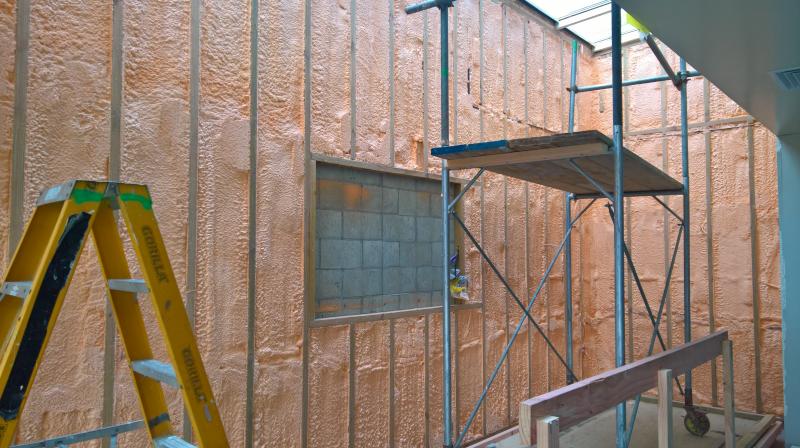
R3.1 70mm NZ Foam Block Wall Insulation

R4.4 100mm NZ Foam Ceiling Insulation
Questions about this project
The project involved an older, fire-damaged commercial building located on Ferry Road in Christchurch, New Zealand. Following the fire damage, the owner took the opportunity to restore and improve the property, focusing on insulation performance and creating a comfortable, welcoming working environment for current and future tenants.
The primary goal was to achieve a high level of thermal insulation throughout the building to improve comfort for the businesses and employees working inside. NZ Foam installed spray foam insulation to the block walls, framed walls, upstairs walls and roof space. The insulation upgrade was designed to help maintain more consistent indoor temperatures, reduce unwanted heat transfer and create a more comfortable working environment throughout the year.
The client understood that spray foam insulation could deliver a higher level of insulation performance than many conventional alternatives. NZ Foam was selected to help achieve the desired thermal performance and create a more comfortable environment for the building’s tenants. The client wanted a durable, long-term insulation solution that would deliver reliable performance and reduce the likelihood of needing to replace or upgrade the insulation again in the future.
: NZ Foam installed spray foam insulation across several areas of the building to address its different construction types and insulation requirements. These included:
- Block walls: Spray foam was applied to the masonry walls, helping improve thermal insulation.
- Standard framed walls: Insulation was installed within the framed wall cavities to reduce heat transfer.
- Upstairs walls: Additional insulation helped improve comfort in the upper-level workspaces.
- Roof space: Spray foam insulation was installed to improve the thermal performance of the roof area and help regulate indoor temperatures.
This approach allowed NZ Foam to tailor the insulation installation to the building’s varied wall and roof construction.
NZ Foam installed spray foam insulation in multiple thicknesses to meet the requirements of different areas of the building.
| Insulation thickness | Achieved R-value |
| 50 mm | R2.2 |
| 70 mm | R3.08 |
| 100 mm | R4.4 |
These insulation levels provided different areas of the building with thermal resistance suited to their specific requirements. Higher R-values indicate greater resistance to heat transfer through the insulation material, helping support a more comfortable indoor environment.
The client prioritised long-term performance and workplace comfort when selecting the insulation solution. They recognised that conventional insulation options might not deliver the same level of performance required for this project and could potentially need replacing or upgrading in the future.
Spray foam insulation offered a solution that could be applied to different building surfaces and construction types while achieving the specified R-values. By insulating the block walls, framed walls and roof space, NZ Foam helped improve the building’s thermal performance and support the client’s goal of providing a comfortable workspace for tenants over the long term.
The project presented several practical challenges, including working with multiple insulation thicknesses, insulating different wall types, accessing open areas and completing work at height. The block walls also required the installed foam to be carefully cut and finished to achieve a suitable result.
NZ Foam drew on its experience across different insulation applications to manage these challenges safely and effectively. The team adapted its installation methods to suit the building’s varied surfaces and access requirements, carefully managing the different foam thicknesses and trimming the insulation where necessary. This experience helped ensure the work was completed to a good standard while maintaining a strong focus on safety and quality.
This project demonstrates the importance of treating building restoration as an opportunity to improve long-term performance, rather than simply repairing existing damage. When renovating an older building, it is worth considering how insulation can improve comfort, energy efficiency and the overall experience of the people using the space.
Key lessons from the Ferry Road project include:
- Plan insulation early: Consider insulation requirements during the restoration or design stage to ensure walls, roof spaces and other areas are addressed appropriately.
- Choose insulation for long-term performance: Compare insulation solutions based on their thermal performance, suitability for the building and expected service life, rather than focusing on initial cost alone.
- Account for different construction types: Block walls, framed walls and roof spaces can require different installation approaches and insulation thicknesses.
- Prioritise occupant comfort: Effective insulation can help reduce temperature fluctuations and create a more pleasant indoor environment for workers, tenants and visitors.
- Use experienced insulation installers: Projects involving multiple thicknesses, difficult access and work at height benefit from a team with the right technical knowledge and safety practices.
- View restoration as an investment: Upgrading insulation during a renovation can help improve the building’s usability and support its long-term value.
The Ferry Road project highlights how NZ Foam’s spray foam insulation expertise helped transform a fire-damaged commercial property into a more comfortable and inviting workspace. By combining appropriate insulation thicknesses with experience across different building surfaces, NZ Foam helped the owner prepare the building for its future occupants, including Hilti.